








5 March 2026 - 10:00am
Strangling, punching or violently yanking someone by the hair is assault. Film the same acts, upload them to a porn site, and suddenly they become sacred emblems of free speech. For years, global porn platforms have been shielded from consequences by armies of lawyers, lobbyists and anti-censorship campaigners who claim they are defending the little guy. Now, after three decades of regulatory paralysis, Parliament is attempting to take back control from the pornocrats.
Earlier this week, peers backed amendments to the Crime and Policing Bill that would ban certain types of pornography. Incest “step” porn, which has flourished online under the thinnest narrative disguises, is set to be outlawed. So too is material produced by adults that explicitly recreates child sexual abuse scenarios. Platforms will also be required to maintain a verifiable paper trail proving performers’ ages and their consent.
To date, creating laws that porn producers can’t find ways around has proven tricky. The existing law on extreme pornography is rarely enforced, and, notably, the overwhelming majority of prosecutions involve bestiality. This is not because animal abuse is especially popular, but because animals are recognised as incapable of giving consent. The corollary is that when women are subjected to “acts likely to result in serious injury to [their] anus, breasts or genitals”, the law assumes consent.
But this touches on a wider point: that the Government is struggling to enforce the technicality of its laws. The Online Safety Act, passed in 2023, is being implemented gradually by Ofcom. Since 2025, platforms have been required to carry out risk assessments for illegal content and introduce measures such as age checks. Yet enforcement remains limited. Ofcom has opened more than 20 investigations and issued only a handful of fines. The most high-profile was a £1.05 million penalty against the parent company of OnlyFans for providing inaccurate information about its age-verification system.
Enforcement remains a problem, but it’s the themes in the broader debate that have so far stopped progress. During the debate on the bill, Baroness Bertin condemned “the status quo that has allowed abuse, misogyny, paedophilia and the exploitation of women and girls to flourish”. The Epstein files, she argued, should be our moment of reckoning.
Branding categories like “barely legal” as a fig leaf for the sexualisation of children, she captured what most people instinctively understand but have been reluctant to say. We have come to this point due to the obtuseness of the pro-porn side, who say “barely legal” was just a matter of freedom.
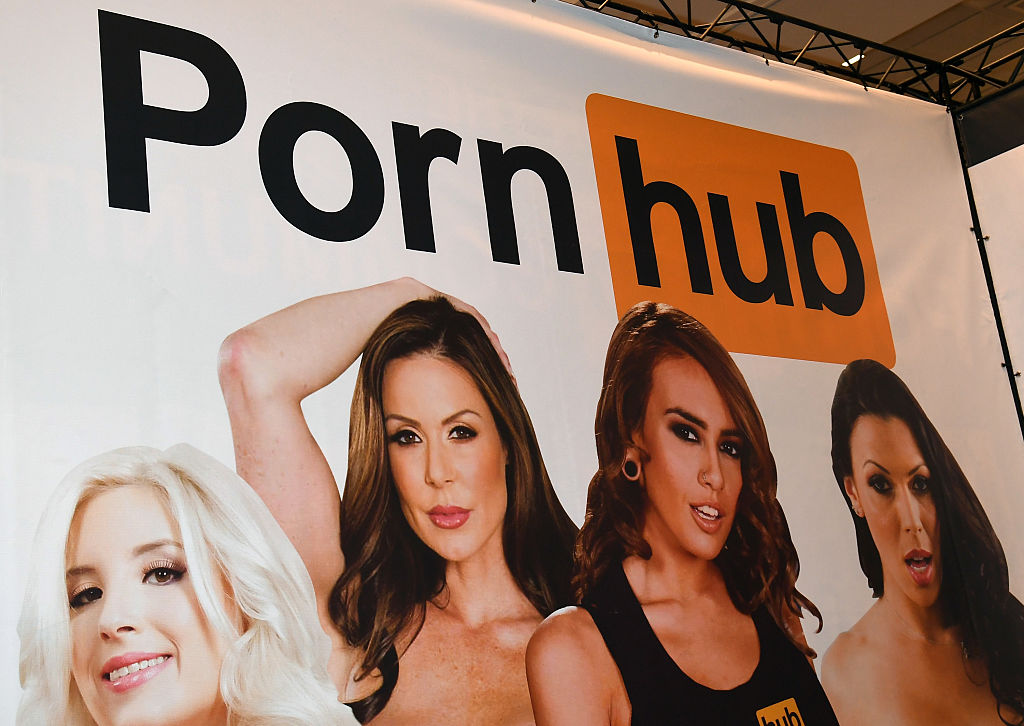
Progress has been slow because being anti-porn is neither sexy nor high-status. It invites the familiar sneers: dried-up prude, joyless censor, enemy of art and foe of freedom. The response to such accusations is simple: open the world’s most popular free pornography site, Pornhub, and read aloud whatever greets users on the landing page. What is portrayed in mainstream pornography is neither artistic nor erotic: it is monetised misogyny.
Labour has pledged to treat violence against women and girls as a national emergency. That cannot sit alongside an online ecosystem which packages humiliation, coercion and incest as mainstream entertainment. The internet is not an autonomous moral zone. It is part of our civic life, and should be governed accordingly. If politicians are serious about confronting sexism, they cannot confine themselves to denouncing Andrew Tate while leaving the culture that incubates him untouched.
