








October 13 2025 - 6:30pm
Tel Aviv
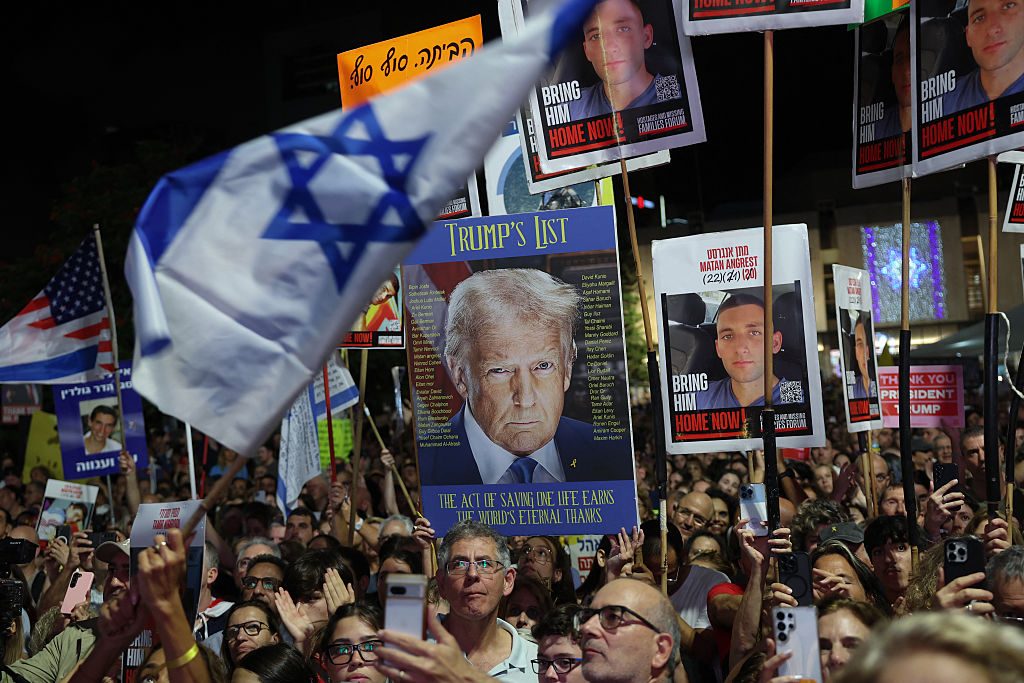
Today’s events have been long-awaited. And, here in Israel, it still feels surreal. Previous hostage releases have given us images of screaming crowds at Hostage Square, citizens lining the streets and crowding the hospitals with flags and signs. But this time was different. The last living hostages were today returned to Israel, with another two dead Israelis set to follow. Clips of survivors hugging their families are on repeat on the TV; the 1984 song Habaita (“Coming Home”) is playing wherever you go in Tel Aviv; the country is overtaken by joy.
The national culture is such that each of the hostages came to feel as dear as family members for many Israelis. None of the numerous victories achieved in this war, from dismantling Hezbollah to eliminating much of Hamas’s leadership, would have given Israelis much hope without the release of the hostages. Now, finally, they have reached a kind of closure. Today provided the “picture of victory” for which this country has been searching.
Israelis are almost completely united by the hostage deal, and Israel might be the only place on earth where Donald Trump is primarily a unifying rather than divisive figure. The US President facilitated the Abraham Accords, the attack on Iran in June, and now this — this miracle. When Trump arrived in the Knesset earlier today, it was hard to tell the difference between the speeches of Benjamin Netanyahu and opposition leader Yair Lapid, both of whom nominated the US President for the Nobel Peace Prize next year.
Yet the Israeli Prime Minister finds himself in a very different position to Trump. This was particularly striking during Special Envoy Steve Witkoff’s speech at Hostage Square on Saturday, during which mentions of the American President were met with wild cheers. Then Witkoff thanked Netanyahu, and booing filled the air. Much of the country, especially those who come to Hostage Square, believes that the war could have ended earlier and holds Bibi responsible for not securing a swifter return for the hostages. In their view, the Prime Minister has prioritized his own hold on power over what is good for Israel as a whole.
Gaza’s post-war future is not yet clear, but it will prove pivotal in shaping the Israeli political landscape. Especially urgent is the question of whether the global community can cajole Hamas to disarm. Should the terrorist group regain control, the Gazan people will see no end to their misery. If that happens, this ceasefire will only serve as a pause until conflict rears its head once again.
Trump was emphatic today, declaring that “war is over”. Yet this disconnect between Hamas and war may easily lead to a break-up of the governing coalition in Israel. Netanyahu’s far-Right coalition partners not only want to crush Hamas but fantasize about depopulating the Gaza Strip and rebuilding Jewish settlements there. This pipe dream, so beloved of ministers Bezalel Smotrich and Itamar Ben-Gvir, has given succor to those who spread the myth that Israel is guilty of unique evil.
Still, a coalition split may, in some ways, suit Netanyahu. After all, what better time for him to head to the polls than in the wake of the hostages’ return home?